Skip to content
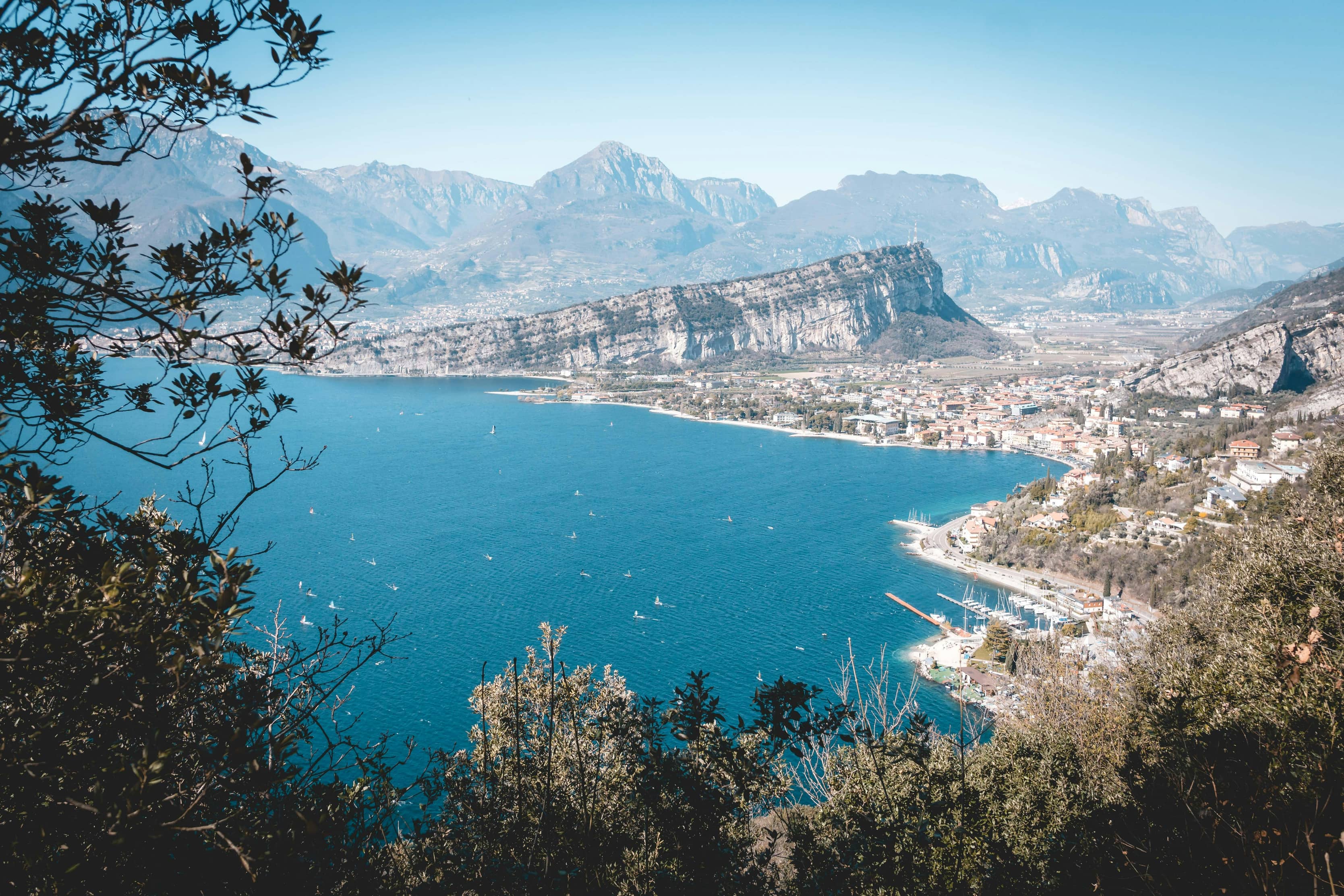
A scenic view of Arco, Italy, showcasing the beautiful landscape with mountains and a lake.

Italy

Best Time to Go Rock Climbing in Italy

Month-by-month conditions, temperatures and rainfall for planning a climbing trip to Italy.

Photo by Klaus Huber on Unsplash

Italy's Climbing Calendar: Month-by-Month Guide

Data typeJanFebMarAprMayJunJulAugSepOctNovDec
Popularity4 out of 104 out of 106 out of 109 out of 108 out of 105 out of 105 out of 106 out of 107 out of 1010 out of 105 out of 104 out of 10
Temperature (°C)4°6°10°14°18°22°25°25°21°16°10°5°
Rain☀️☀️☀️☀️☀️☀️☀️☀️🌧️🌧️🌧️☀️
Rainfall (mm)70mm65mm75mm80mm65mm60mm45mm55mm75mm105mm115mm95mm

Color Key:

Red: Hot temperature, chance of rainfall, or unfavorable conditions

Yellow: Moderate conditions

Green: Popular with climbers, ideal temperature, low rainfall, or favorable conditions

Blue: Cold temperature

🌧️ Indicates chance of rain, ☀️ indicates low chance of rain

Popularity: Red (1-5) - Fewer visitors, Yellow (6) - Moderate, Green (7-10) - Peak season, best time to meet other climbers

If you think something is wrong, please contact us at [email protected]

Italy's Climbing Seasons: Top Crags by Season

Italy offers a variety of climbing destinations that are perfect for each season. From the alpine routes of the Dolomites to the coastal cliffs of Sardinia, there's something for every climber. Here's a guide to the most popular crags in Italy by season.

Spring: March-May

Spring is an excellent time for climbing in Italy, with mild temperatures and vibrant landscapes. It's generally considered one of the best seasons for rock climbing due to mild temperatures and fewer crowds. Most popular crags: 1. Arco Renowned for its limestone cliffs and diverse routes. 2. Finale Ligure Offers a mix of sport and trad climbing in a stunning coastal setting. 3. Cala Gonone Features breathtaking sea cliffs. 4. Val di Mello Known for its granite boulders and beautiful alpine scenery. 5. Sperlonga Coastal crag with a mix of sport routes and stunning views. 6. Pietra di Bismantova Iconic sandstone tower in Emilia-Romagna with sport, trad, and via ferrata routes — at its best in spring. 7. Ulassai Sardinia's premier sport climbing area with 2,000+ routes on exceptional limestone; comfortable spring temperatures. 8. Muzzerone Limestone sea-cliff sport climbing near Porto Venere, La Spezia — one of Liguria's finest crags.

Summer: June-August

Higher altitude crags offer cooler conditions during the hot summer months. While it can be hot in many regions, some areas like the Dolomites are still popular due to their high altitude and cooler temperatures. Most popular crags: 1. Dolomites Famous for stunning limestone formations and breathtaking scenery. Best time to visit is from June to Mid-October. 2. Val di Mello Known for its granite cliffs and beautiful valley setting. 3. Cortina d'Ampezzo Renowned for its dramatic peaks and vibrant climbing community. 4. Civetta Features impressive rock faces and a variety of climbing routes. 5. San Martino di Castrozza Offers a mix of sport and traditional climbing in a picturesque environment.

Fall: September-November

Fall is the prime climbing season in Italy, with perfect temperatures and fewer crowds. Like spring, it's generally considered one of the best seasons for rock climbing. Most popular crags: 1. Arco Renowned for its limestone cliffs and diverse routes. 2. Castelmezzano A dramatic limestone village in the Dolomiti Lucane (Basilicata), with sport routes and via ferrata on towering rock spires. 3. Civetta Known for its impressive rock formations and challenging climbs. 4. Finale Ligure Offers a mix of sport and trad climbing in a picturesque setting. 5. Ferentino Lazio limestone sport crag, 75 km southeast of Rome — ideal in the mild autumn temperatures. 6. Baunei Stunning sea-cliff limestone routes on Sardinia's rugged east coast, best enjoyed in cooler autumn weather. 7. Muzzerone Coastal limestone near La Spezia; sheltered position keeps it climbable well into autumn. 8. Cadarese Exceptional granite crack climbing in Val d'Ossola, Piedmont, just south of the Swiss border — a hidden gem for trad and sport climbers in autumn.

Winter: December-February

Winter climbing is best in Italy's southern regions where the climate is milder. However, it's generally not ideal for rock climbing due to cold weather and potential snow. Most popular crags: 1. Sperlonga Coastal crag in Lazio with limestone cliffs and sea views, sheltered enough for mild winter days. 2. Cala Gonone Stunning sea views and diverse routes on Sardinia's east coast. 3. Ferentino Lazio limestone sport climbing close to Rome — low altitude and south-facing walls make it a reliable winter option. 4. Ulassai Sardinia's inland sport climbing hub with 2,000+ routes; the mild Mediterranean winter allows nearly year-round climbing. 5. Custonaci Limestone sport crag near Trapani in western Sicily — warm even in winter and one of the sunniest climbing spots in Italy.

Where to Stay: Best Climbing Hostels Near Italy

Finding the right base is half the battle on a climbing trip. For Italy, Nannai Climbing Home in Ulassai, Sardinia is one of Europe's best-kept climbing secrets — a climber-run hostel surrounded by 2,000+ sport routes on exceptional limestone, with a mild Mediterranean climate that allows near year-round climbing. For a full rundown of the best climbing hostels worldwide, including Nannai in Sardinia, see our guide: Best Rock Climbing and Bouldering Hostels for 2026.

Italy's diverse climbing destinations offer something for every climber, no matter the season. Plan your visit according to the season and enjoy the best of Italy's climbing offerings. Always check local weather forecasts and climbing conditions before planning your trip.

How long can you stay in Italy?

Italy is in the Schengen Area, so most visa-free visitors get 90 days in any rolling 180-day window. The window moves with you — a spring trip to another Schengen country comes out of the same 90 days, so a long autumn season here can run you out sooner than you would expect.

Where to stay in Italy

Once you have picked your month, the next question is usually where to base yourself. Prices in the good season move quickly, so it is worth looking early.

Getting around Italy

The train is the easy way between cities. You can book trains here.

Most crags are outside town, so a car is the most efficient way to reach them. You can compare car rentals here.

Mobile data in Italy

An eSIM gives you mobile data as soon as you land, with no SIM shop and no roaming bill. You install it on your phone before you fly and keep your own SIM for calls and texts. Saily covers Italy, and the small plans cost a few dollars. Check that your phone supports eSIM first.

Insurance that covers climbing

Most standard travel policies exclude rock climbing, and a lot of them exclude riding a scooter too. Check your own policy first — and if it does not cover you, this is the one I use.

  • Covers rock climbing, which most standard travel policies exclude
  • Buy it after you have already left home, and extend it monthly if you stay in Italy longer
  • Emergency medical cover and evacuation, which is the part that actually matters

Some links on this page are affiliate links, marked as sponsored. If you book through them it costs you nothing extra and helps keep this site free. I only recommend accommodation and insurance I would use myself, and always read the policy wording for your own activities.

Discover Your Next Adventure

Curious about the best times to visit other climbing destinations? Explore our interactive tool to find popular countries for each month of the year!
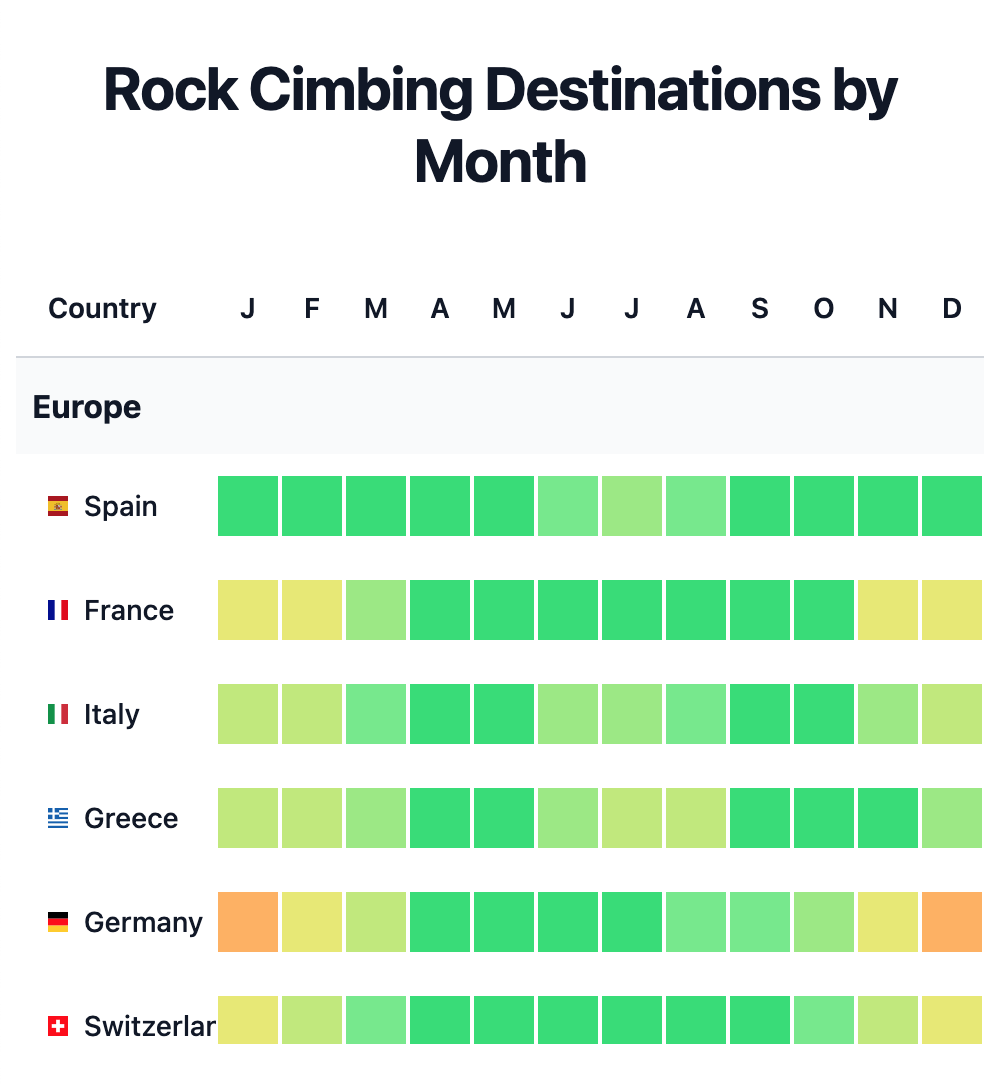
Travel Destinations Preview
Explore Popular Climbing Destinations

Last updated: 2026-08-19

Written by Stephan Bochet